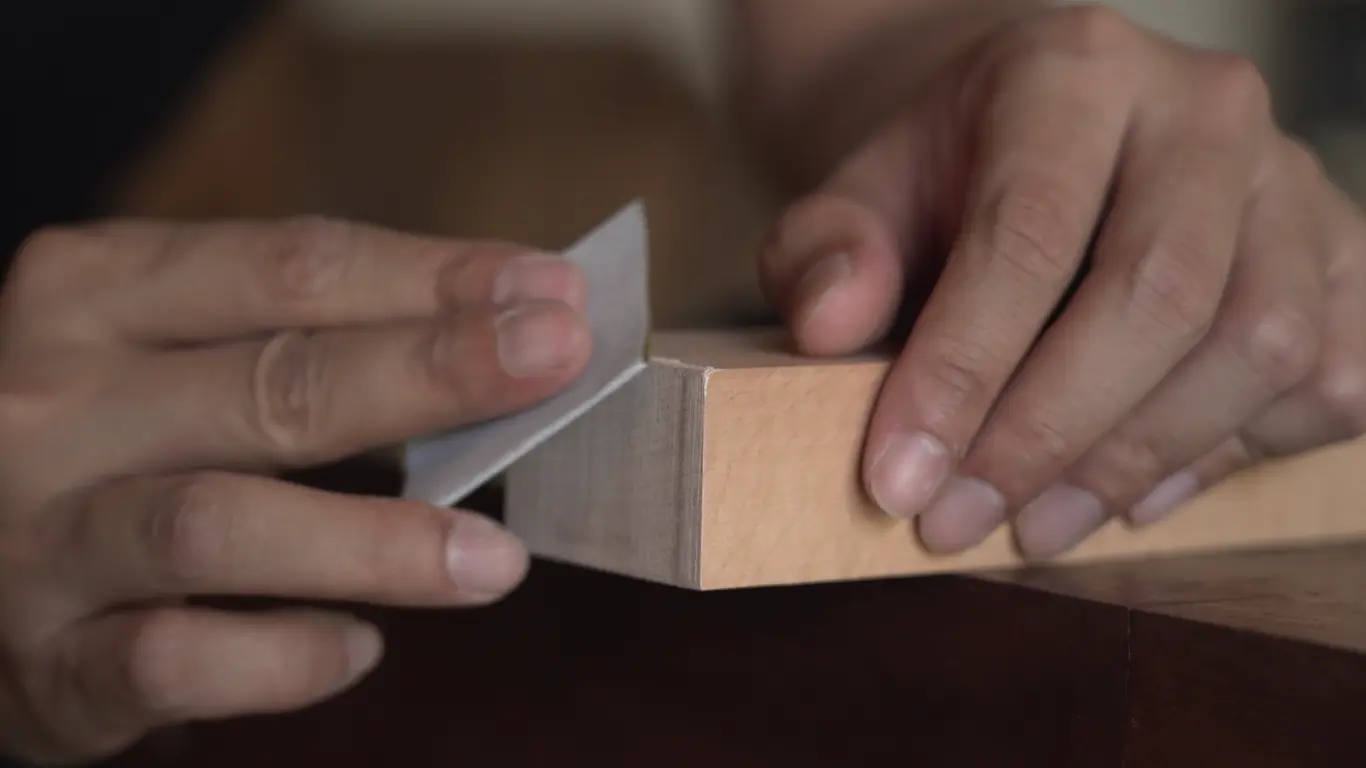
The wood cycle · Stage 1 of 4
Preparation
Clean, whiten, even out: wood ready to receive the treatment.
Why preparation matters
Every treatment lasts only as long as the surface it is applied to. Wood that is dirty, greyed or carrying residues of old finishes does not let stains and varnishes work as they should: the result is less visible and lasts less.
Preparing means cleaning, bringing the wood back to its colour and making it even. It is the step you notice least once the job is finished, and it is the one that makes the difference over the years.
Products for this stage
Same job, two bases. For this stage you'll find water-based and solvent-based products: the formulation changes, not the job they do. Choose the base you're most comfortable with.
3 products
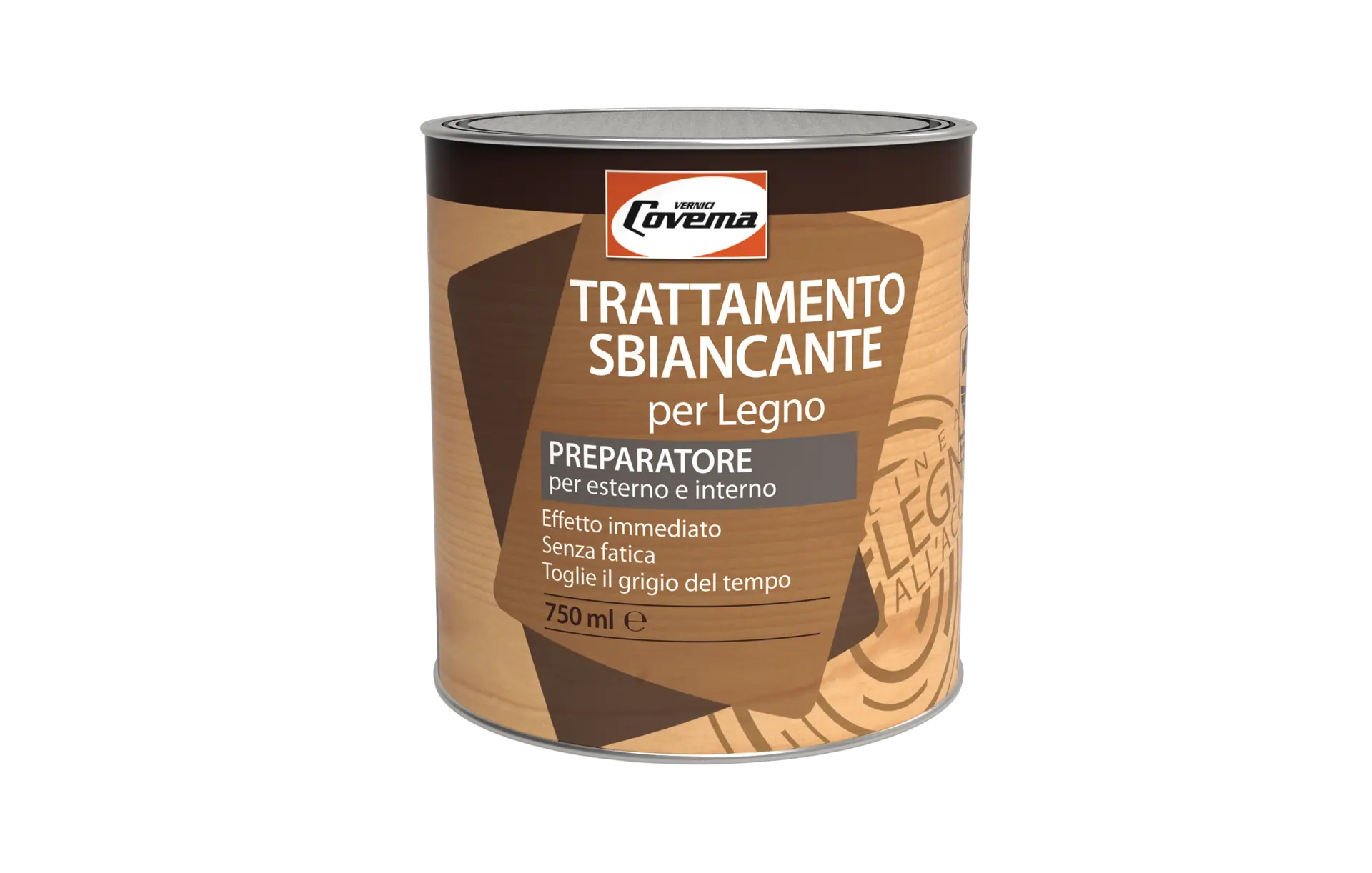 water base
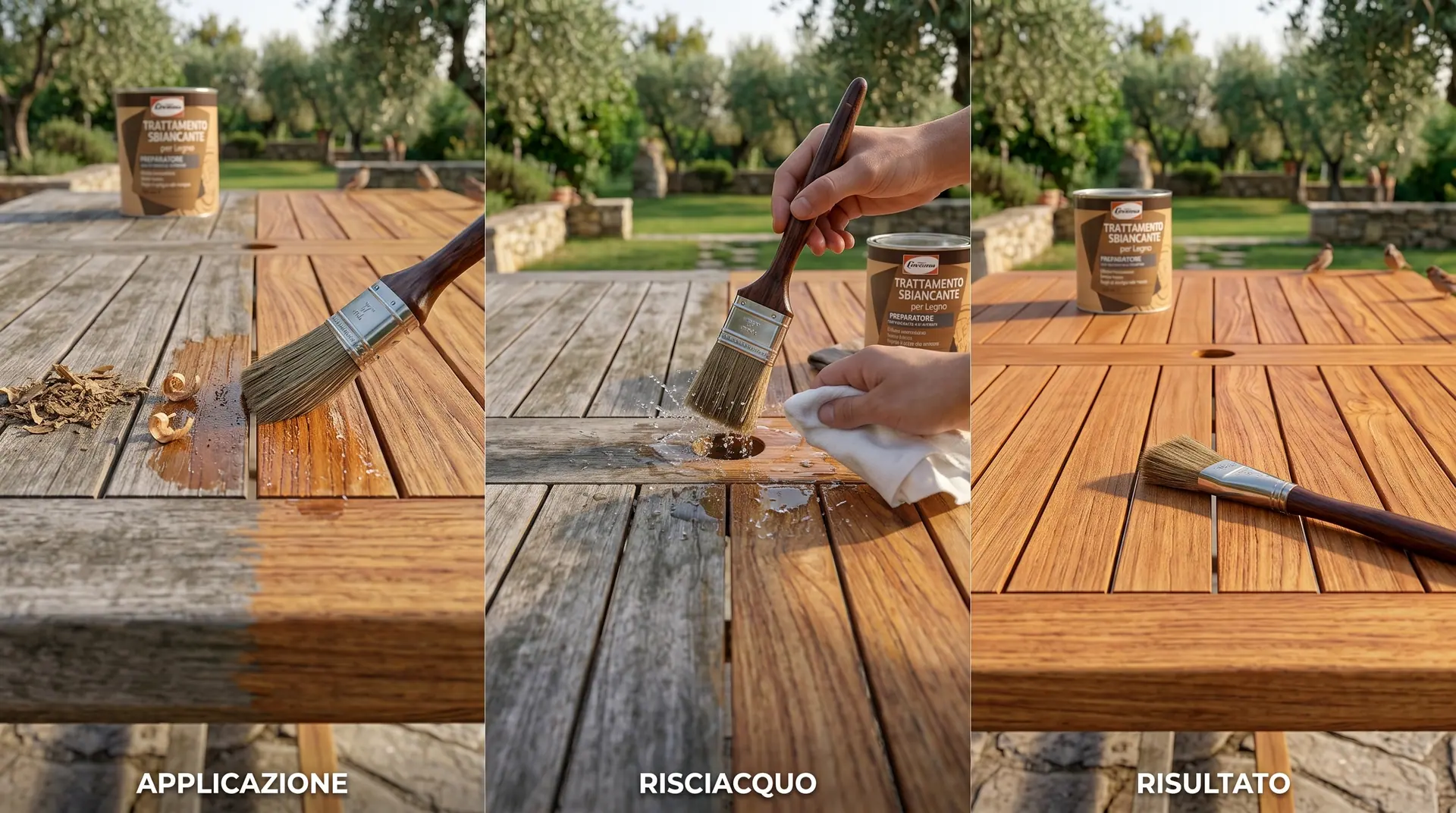
Whitening treatment
Lightens greyed or stained wood and restores its natural colour.
- Exteriors
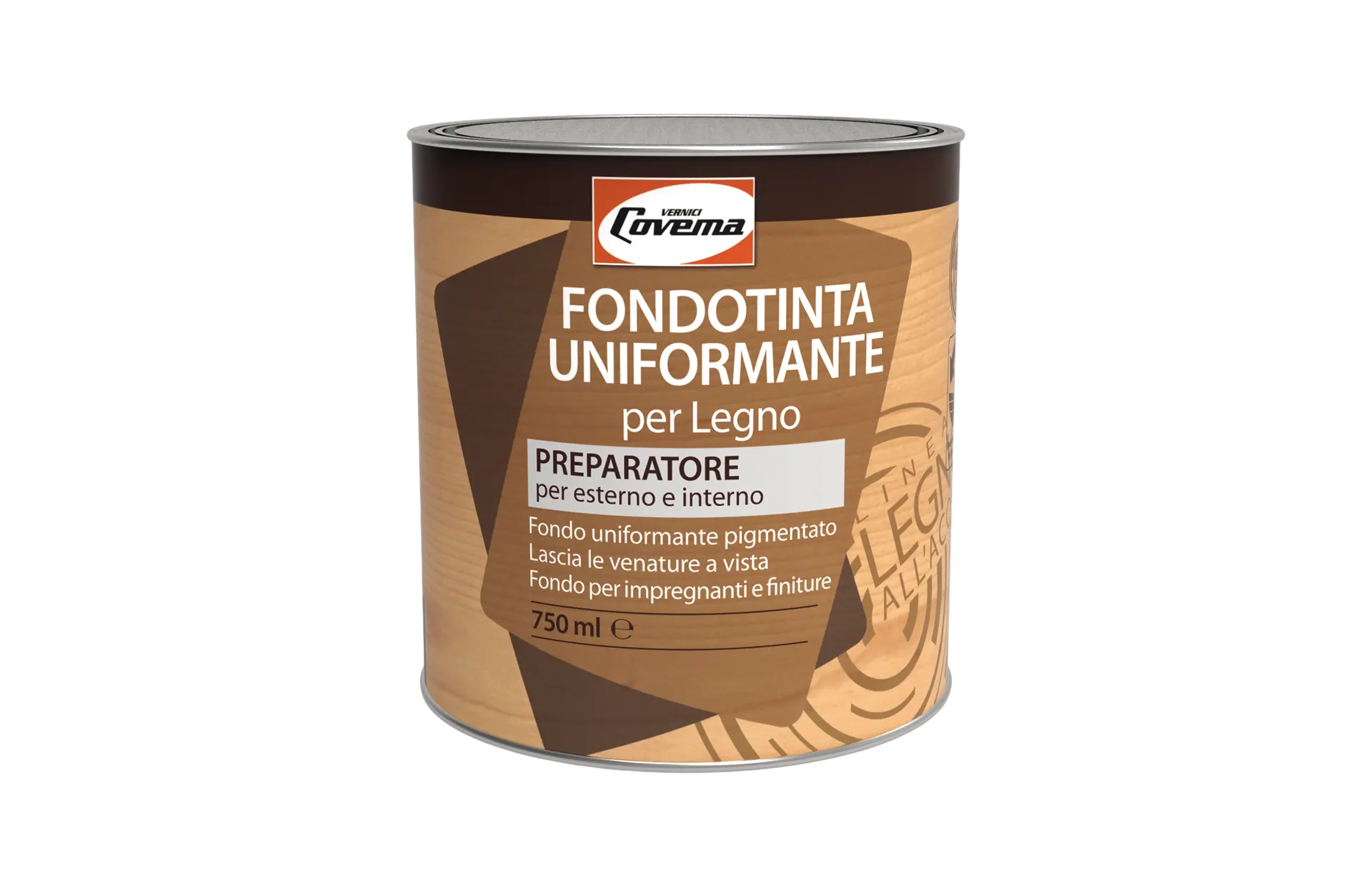 water base
Evening base coat
Evens out the tone of the wood before treatment.
- Exteriors
- Interiors
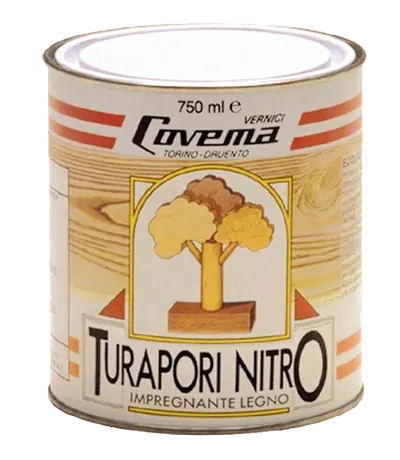 solvent base
Nitro pore filler
Base coat for indoor furniture, doors and window frames.
- Interiors
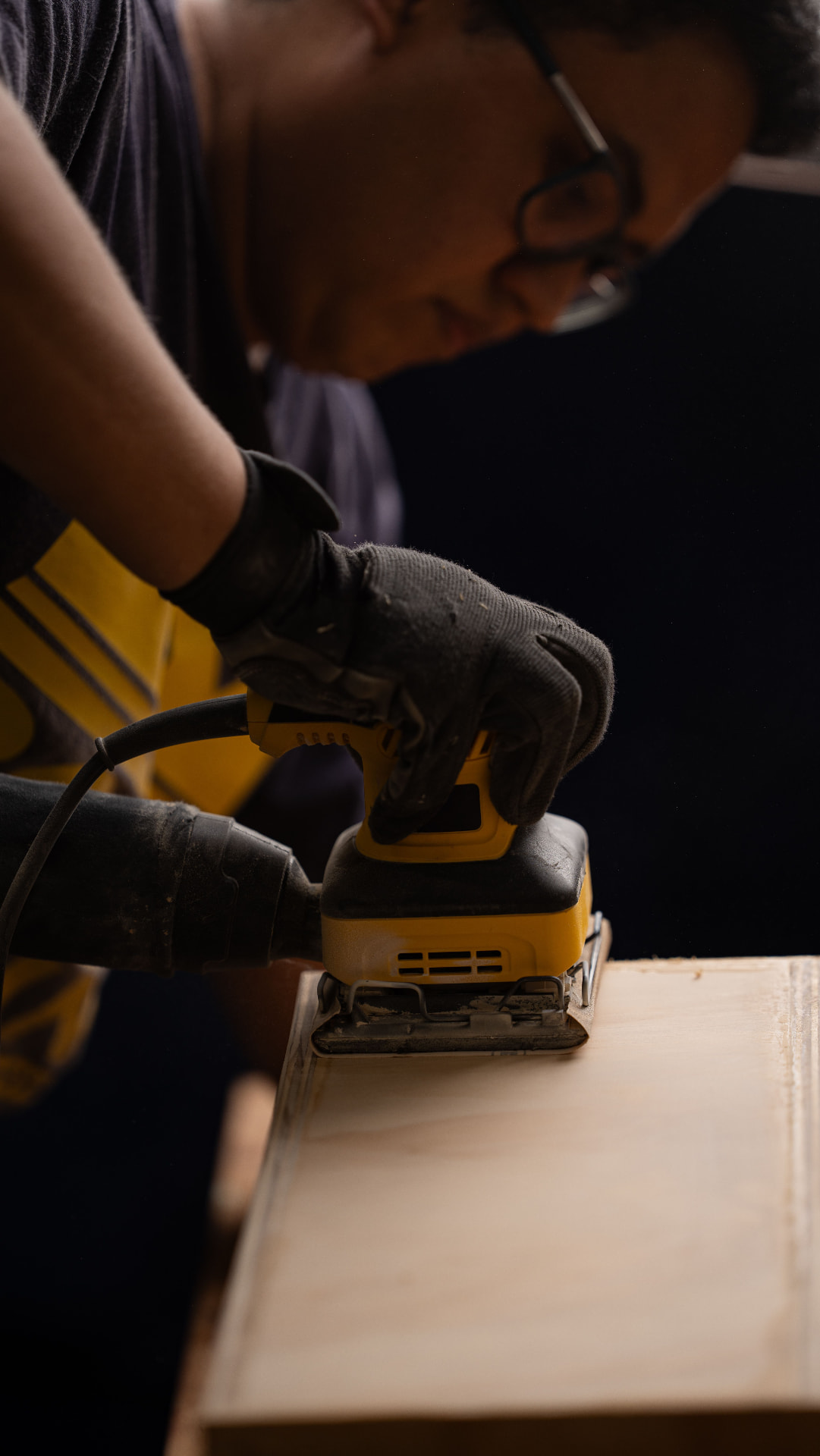
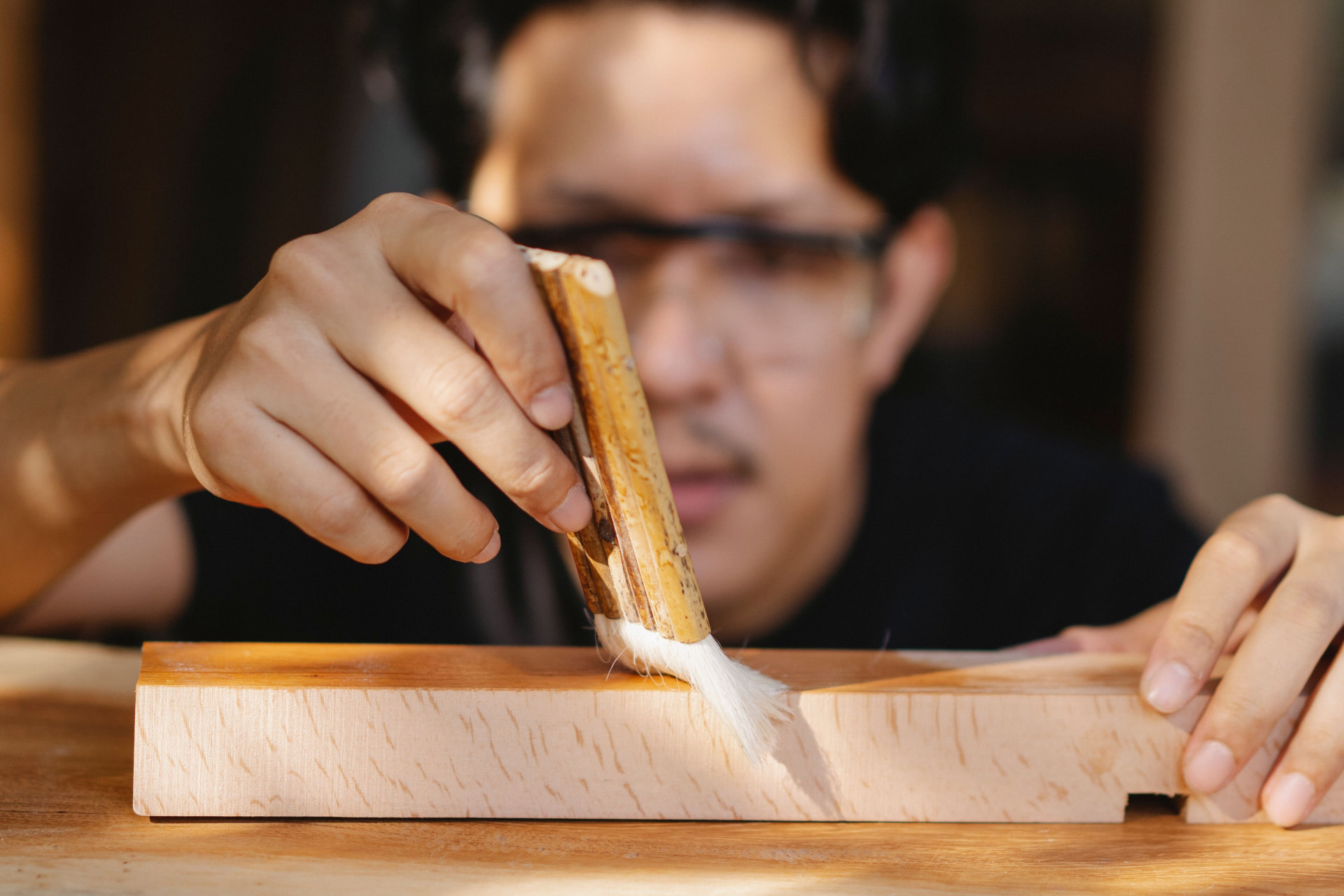
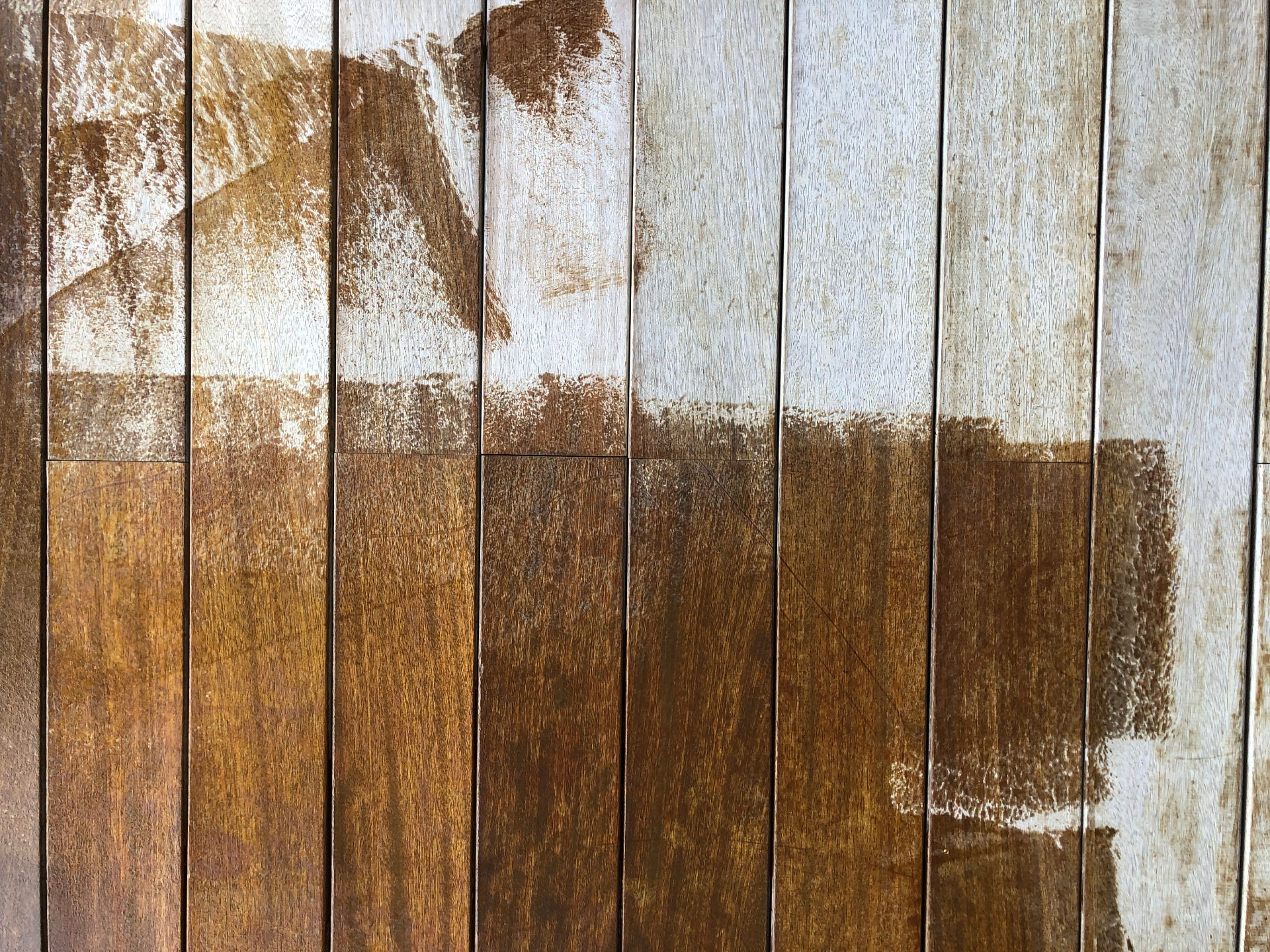
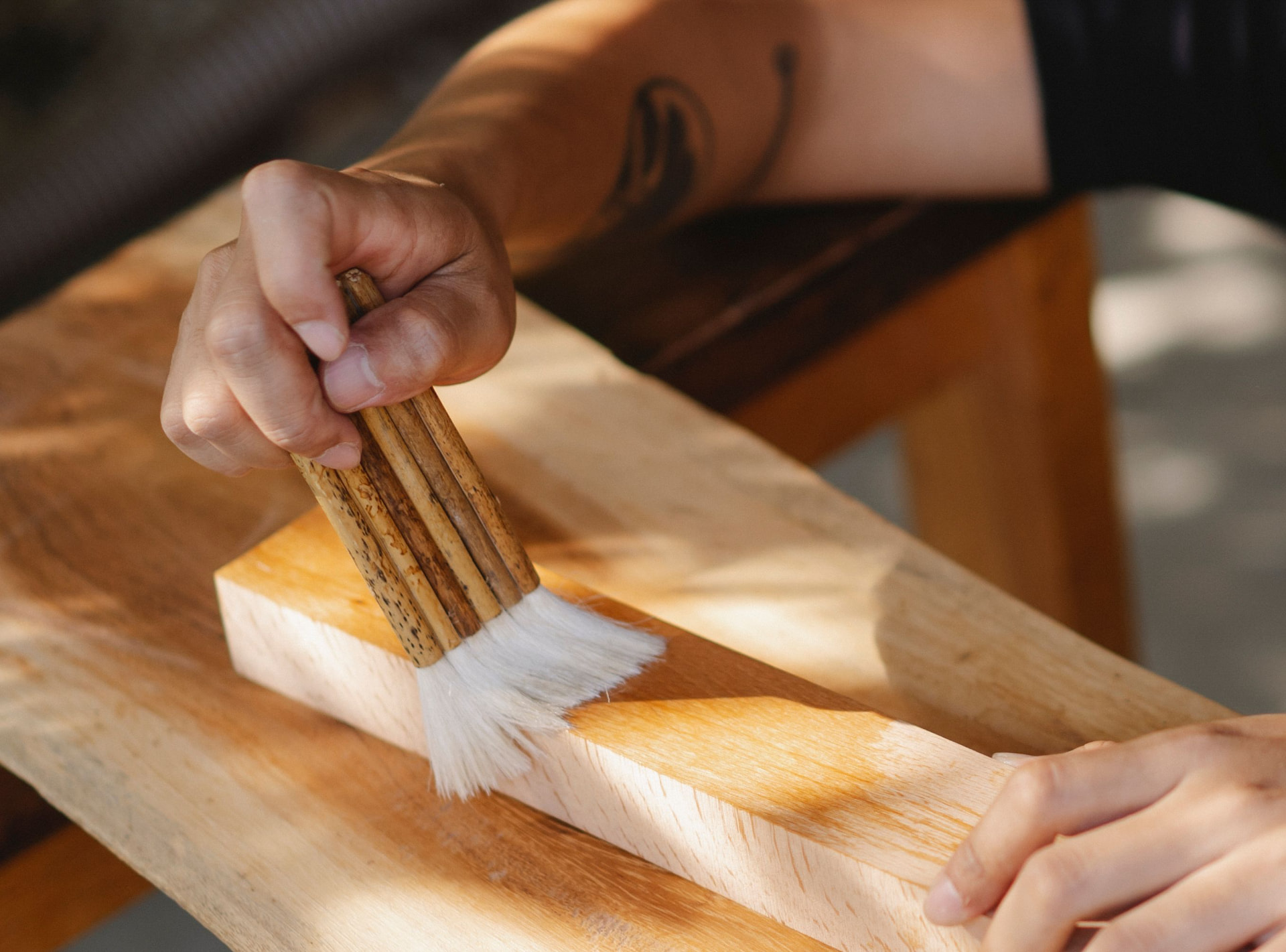
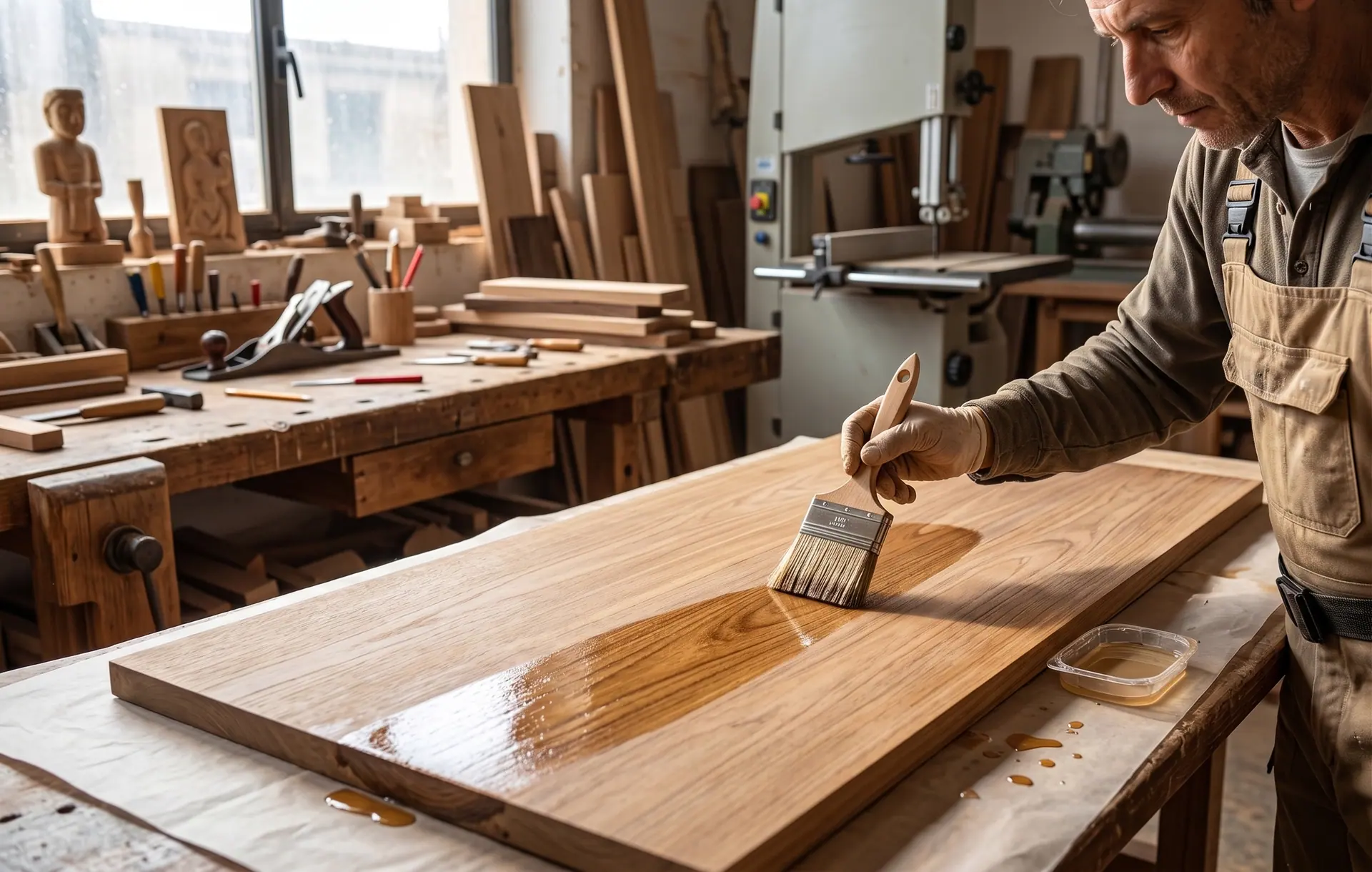
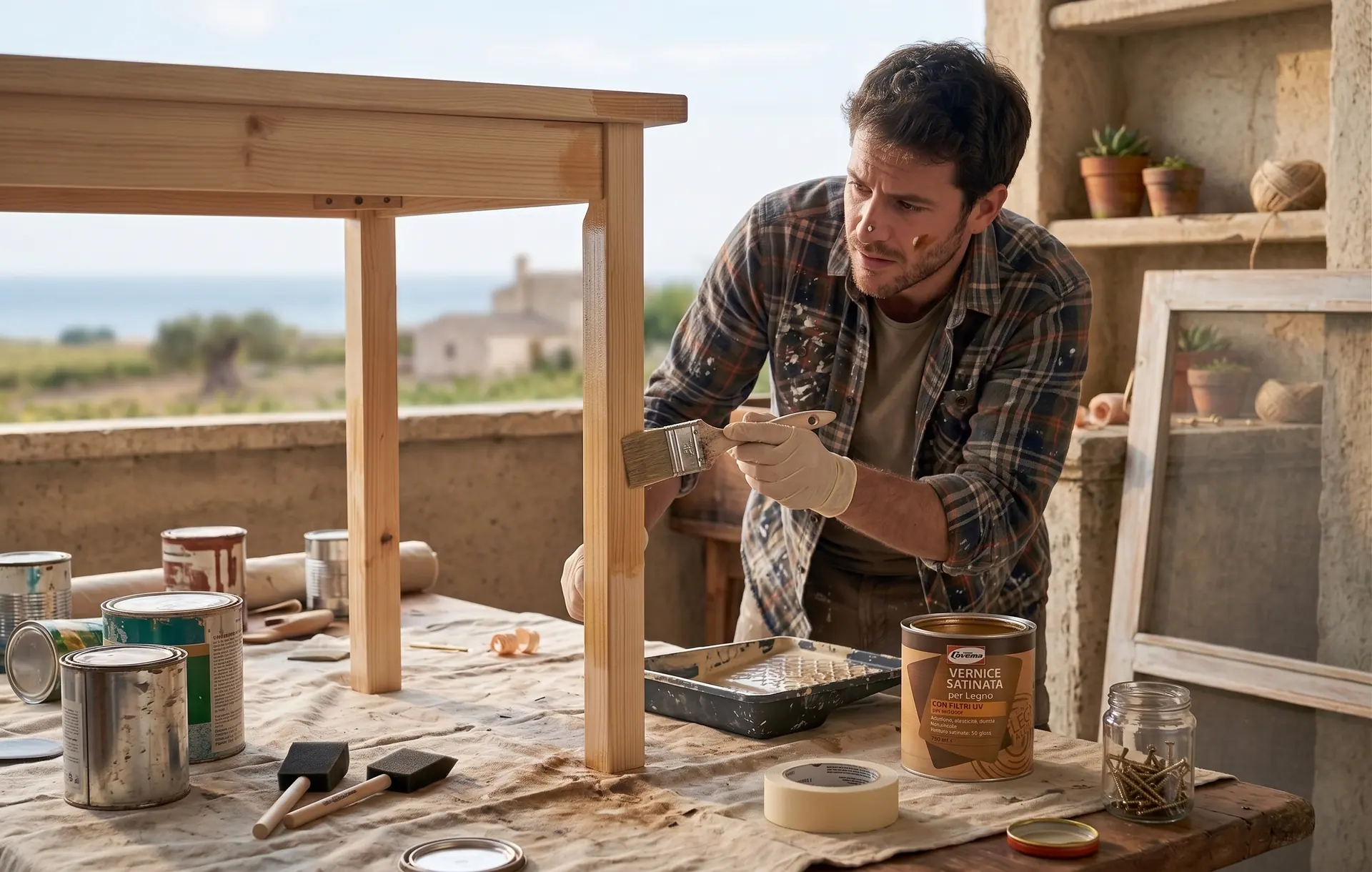
At work
How it's applied, in the hands of those who do it every day.
Mistakes to avoid
Treating damp or dirty wood
Dust, grease and moisture prevent the product from adhering and penetrating.
Leaving old finishes that are flaking
The new coat follows the old one: if that comes away, the new one comes away too.
Forgetting to dust
After sanding, dust stays in the pores and spoils the evenness.
Learn more from the Workshop
Have a question?
Write to our technicians: we'll help you choose the right product and cycle for your wood.